


Wheat In China
China has been the country that consumes the most wheat in the world.
In this article, we will briefly review the history of wheat in China and how the protein of wheat has been changed to what we consume today.
HISTORY OF WHEAT IN CHINA
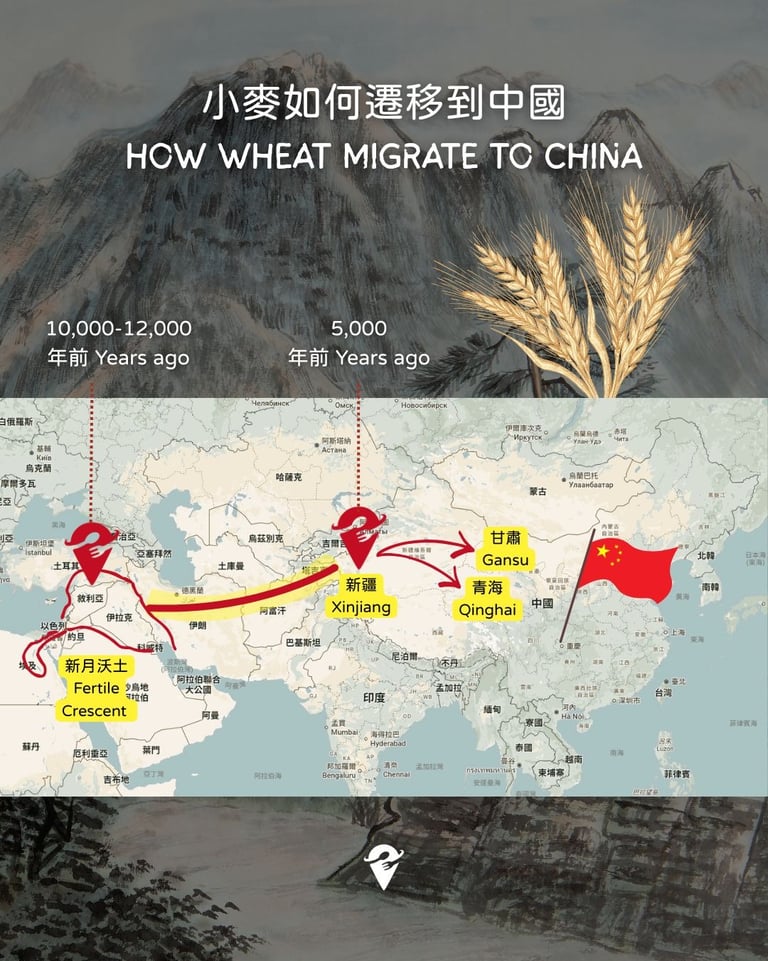
Wheat was first domesticated around 10,000-12,000 years ago in the Fertile Crescent region which is now Turkey, Syria, and Iraq. Einkorn, emmer, spelt, barley were the primary wheat species consumed in ancient times. Bread wheat appeared later and wheat cultivation was spread to Europe, Asia and Africa.
Whether or not wheat originated locally in China is still a mystery. There was not yet any evidence that showed einkorn and emmer wheat existed in China in history. But archaeologists found fields of wild goat around the middle reaches of the Yellow River and the Ili River Valley. They also found a primitive type of common wheat with on the Tibetan Plateau. Most scholars believe wheat was introduced to China from Western Asia through the Central Asia.
Around 5,000 years ago, wheat first entered the Xinjiang region in western China, then spread to Gansu and Qinghai.
Archaeological evidence from Donghuishan Site, Minle County, Gansu Province (甘肅省民樂縣東灰山) found carbonized seeds of barley, wheat, millet, sorghum, etc, dating to 4,000-5,000 years ago (source 1)(source 2).
(click image to enlarge)
The earliest record of wheat cultivation in China was around 2,000 BCE documented in the Classic of Poetry (Shijin 詩經 or the Book of Songs), China’s oldest poetry collection.
The Song of Wheat (麥秀歌) is a poem written by Ji Zi (箕子), the uncle of King Zhou of Shang. It is one of the earliest literati poem in China with the mention of wheat, written in Early Western Zhou Dynasty (1046 – 771 BCE)(source 1)(source 2).
Archaeological evidence from Datongpu site, Jiangsu (江蘇鹽城大同鋪) shows carbonized bread wheat (Triticum aestivum) seeds dating to 2,300-2,700 years ago, during the Chunqiu Period (Spring and Autumn Period or Eastern Zhou Dynasty, 771-476 BCE) and Warring States Period (475-221 BCE) (source 1)(source 2).
Wheat is already a common produce during the Chunqiu Period. The inability to distinguish between beans and wheat is a sign of "lack of wisdom" (source).
《麥秀歌》麥秀尖尖兮,禾黍油油。彼狡童兮,不與我好兮。
Translation: “The wheat buds are sharp and tender, the millet and sorghum are lush and green. That cunning boy, he is not on my side.”
According to the Zuo Zhuan, the main wheat-producing areas at that time were: (source)
Wen 溫 (southwest of present-day Wen County, Henan);
Chen 陳 (eastern Henan and northern Anhui);
Qi 齊 (northern and eastern Shandong and southeastern Hebei);
Lu 魯 (southern Shandong);
Jin 晉 (most of present-day Shanxi and southwestern Hebei, spanning both banks of the Yellow River).
Beginning from the Warring States Period, the main wheat-producing areas expanded from the lower reaches of the Yellow River to the middle reaches. By the Jin Dynasty (266-420 AD), wheat harvests directly impacted the livelihoods of most people.
「周子有兄而無慧,不能辨菽麥,故不可立。」—《左傳·成公十八年》
Translation: "Zhou Zi has an elder brother, but he lacks wisdom and cannot distinguish between beans and wheat; therefore, he cannot be established as heir." — Zuo Zhuan, Duke Cheng, Year 18
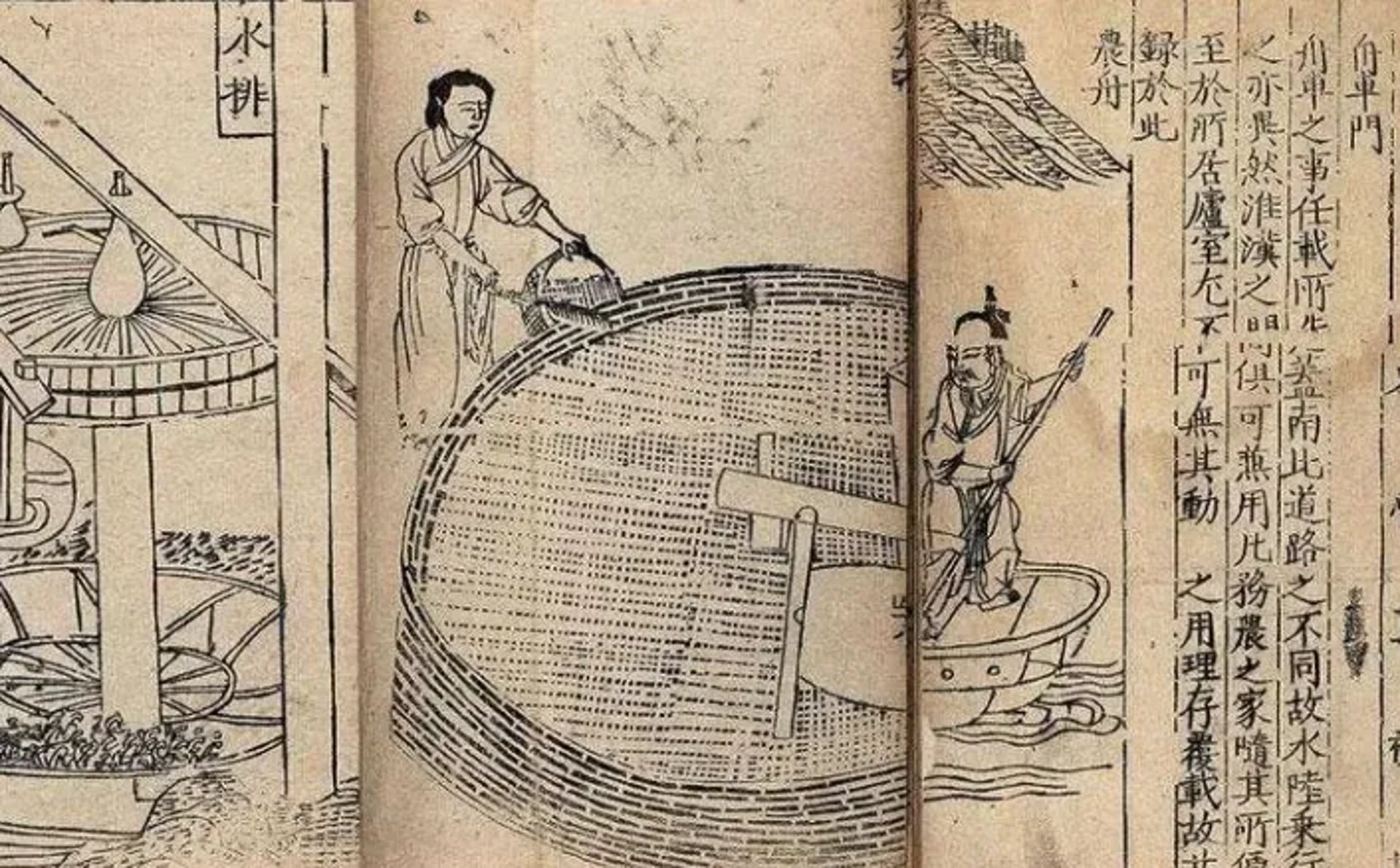
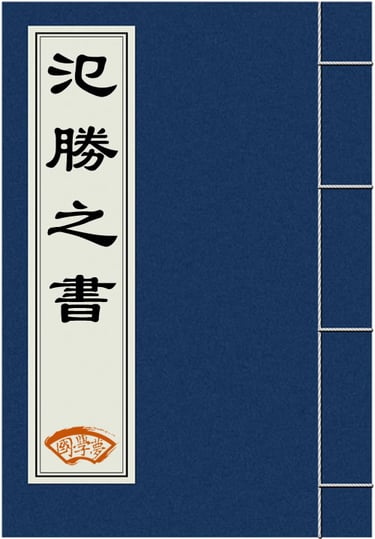
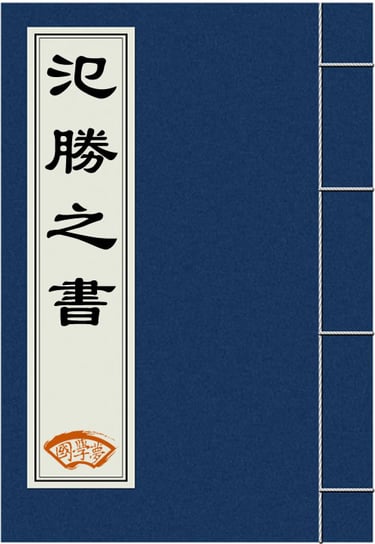
Fan Shengzhi shu (氾勝之書), a Chinese agricultural text from the Western Han dynasty (202 BCE – 8 CE), details soil preparation and irrigation for wheat (source).
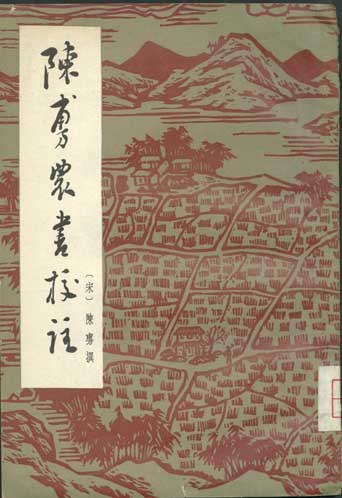
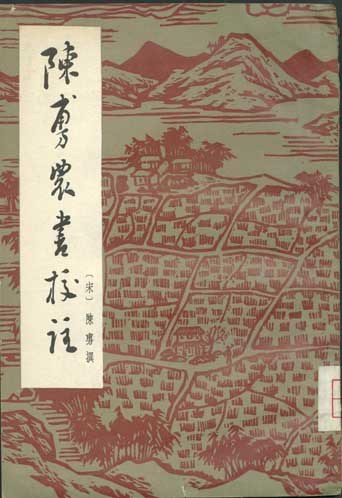
Chen Fu Nongshu (陳旉農書), finished in 1149 CE during Song Dynasty (960–1279 CE), details the general management of a farmer's household and methods of cultivation, including wheat.
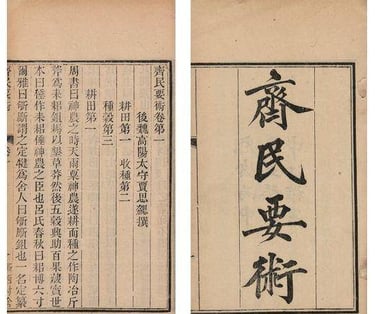
Qimin Yaoshu (齊民要術) was written by Jia Sixie, an official of the Northern Wei Dynasty (386 - 534 CE). It is the most complete ancient agricultural and pastoral work preserved in China, recording the types, cultivation, and fermentation processes of barley and wheat.
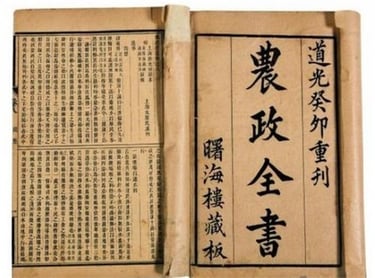
Nongzheng Quanshu (農政全書) (Complete treatise on agricultural administration), written by scientist Xu Guangqi and finished in 1639 during the Ming Dynasty (1368–1644 CE), encourages the integration of wheat with New World crops, like maize, potatoes, and peanuts. and improved pest control.
As technology advances, China has widely used chemical mutagenesis to induce desirable traits.
China has been working on mutation breeding for social and economic benefits. The Chinese Academy of Agricultural Sciences (CAAS) works with the China Atomic Energy Agency (CAEA) to be the leading country coordinator for the projects in the Asia Pacific region of the International Atomic Energy Agency (IAEA) (source).
China has developed 1,050 new crop mutation varieties, accounting for nearly one-third of the total number of mutation varieties developed worldwide. Over the past 10 years, more than 10 new mutant wheat varieties have been bred and officially released.
After World War II (1936-1944), the People's Republic of China was founded in 1949. From late 1957 to early 1961, the "Great Leap Forward" called on the entire Party and the people of China to strive to catch up with and surpass Britain in the output of major industrial products within 15 years or less.
In the early 1960s, Beijing faced a food crisis, and the city launched a special scientific research project to achieve higher yield of wheat (百萬畝小麥畝產300斤).
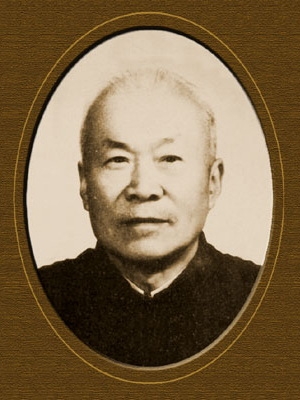
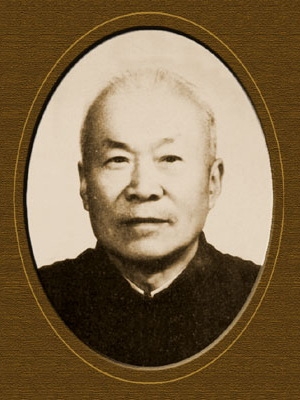
Cai Xu (蔡旭) was a pioneer in wheat breeding in China, and received the National Science Conference Award and the Hebei Provincial Science Conference Award in 1978.
In his early years, Cai Xu bred the nationally renowned wheat variety "Nanda 2419," which was planted on nearly 100 million mu (approximately 6.67 million hectares), making it the variety with the largest planting area, widest range, and longest planting period in the history of wheat cultivation in China. It was also the first rust-resistant variety to be widely promoted in China.
Cai Xu also collected more than 3,000 kinds of original wheat samples from both China and abroad, providing an important material foundation for China's wheat variety resources and breeding work. In 1949, he published "A Genetic Study on Resistance to Stripe Rust in Mature Wheat Plants," the first paper in China on the genetic study of wheat resistance to stripe rust. Combining this with national conditions, over several decades, he and his team focused on "high yield, disease resistance, stable yield, and high quality" as the main goals of wheat breeding, cultivating more than 20 superior wheat varieties, such as the "Nongda 183" and "Nongda 36", which helped to control the spreading of stripe rust in the northern region. (source 1)(source 2)(source 3)
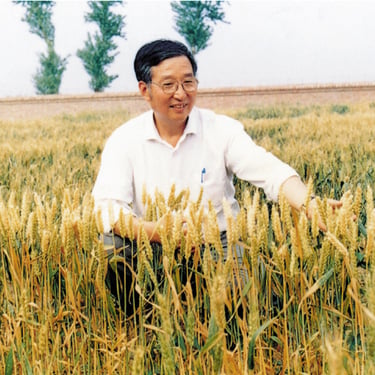
Later, in 1979, Li Zhensheng (李振聲) bred "Xiaoyan 6" through distant hybridization of wheat and wheatgrass. Li Zhensheng is a recipient of the State Highest Science and Technology Award, hailed as the "Father of Distant Hybridization of Wheat in China," and is considered on par with Yuan Longping (袁隆平), the "Father of Hybrid Rice," known as "Yuan in the South and Li in the North" (南袁北李). Spending 24 years of research, he developed the "Xiaoyan" series, transferring forage genes, resulting in strong disease resistance and high yield. By the beginning of the 21st century, the technology had been promoted on over 300 million mu (approximately 20 million hectares) nationwide, resulting in an increase in yield of over 15 billion kilograms. (source)
FOOD FOR THOUGHT
It is undeniable that the researchers through out history have spent their lifetime and effort in developing better wheat variants for the welfare of all people. Their devotion is worthy to be praised.
However, as we discussed already in another article, the goal of mutation breeding and developing new variants has been economic benefits. The health aspect is still an area to explore and improve.
(Read more: Wheat History)
Compared to ancient wheat grains, modern wheat that have high gluten content, pest resistance and disease resistance, mean the gluten protein composition is altered to have:
Higher Amylase trypsin inhibitors (ATIs) that contributes to gastrointestinal disorders because of indigestion, such as bloating, constipation, gas.
Higher proportions of gliadin (for extensibility and viscosity) and larger glutenins for elasticity and strength) that contributes to indigestion and trigger immune response
Stronger zonulin release and increase gut permeability that contributes to chronic inflammation.
Whether or not glyphosate is used as the herbicide and pre-harvest treatment is also another concern.
(Read more: Glyphosate and Leaky Gut)
There are more and more people in China gaining awareness of wheat sensitivity or autoimmune disease, Hashimoto, and many of them shared online that they observed improvements when they avoid modern wheat in their diet for a while.
Wheat-related sickness is no longer a "western disease" because the genome of modern wheat has changed globally. The use of herbicide, glyphosate, is also used globally.
If you also want to try going wheat-free for better health, but don’t know how to make Chinese food, check out our online school to learn more!
Online Class:
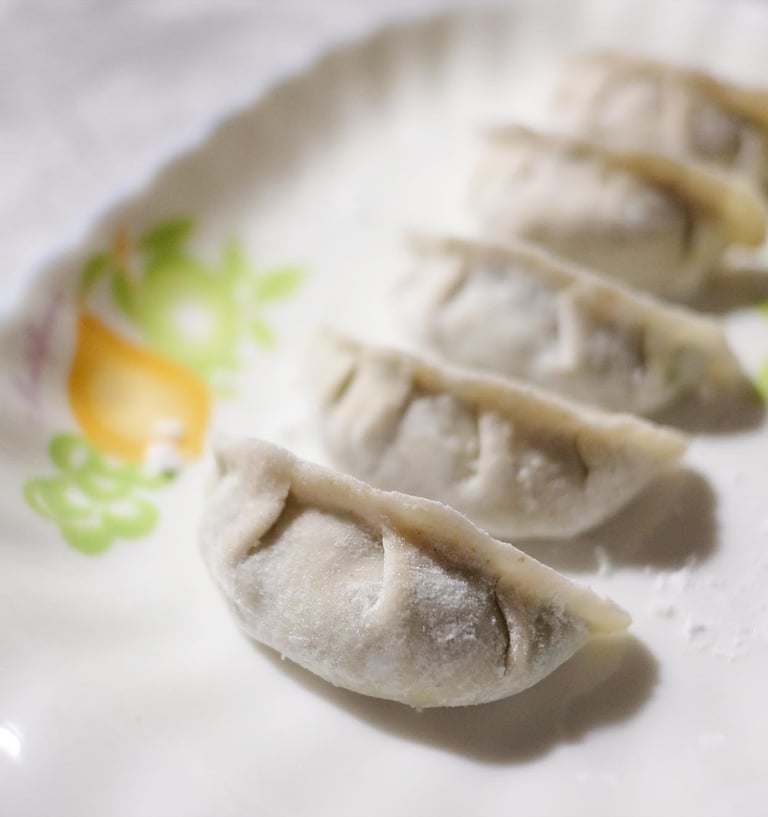
Gluten-free Dumplings
Online Class:
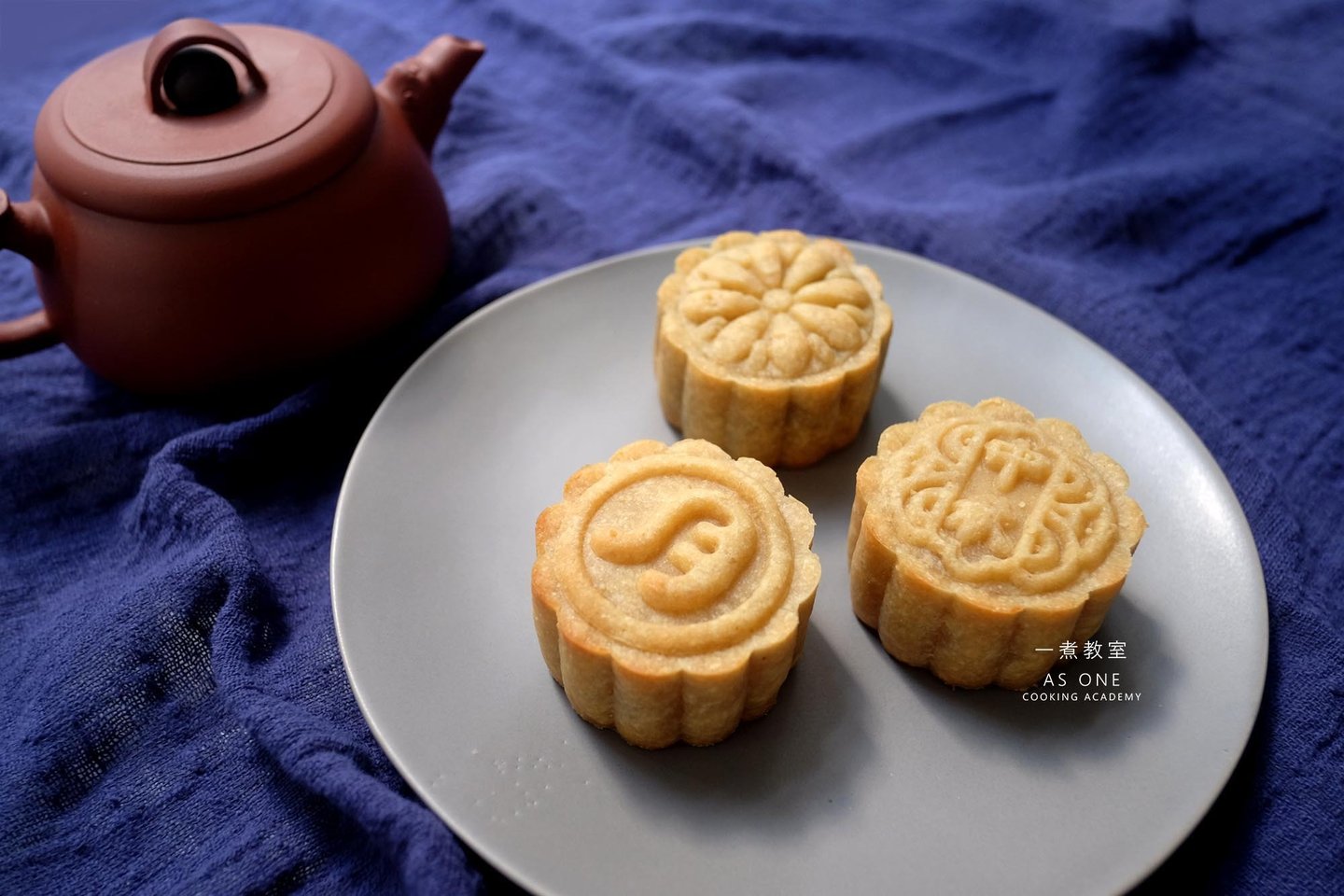
Gluten-free Baked Mooncakes
Online Class:
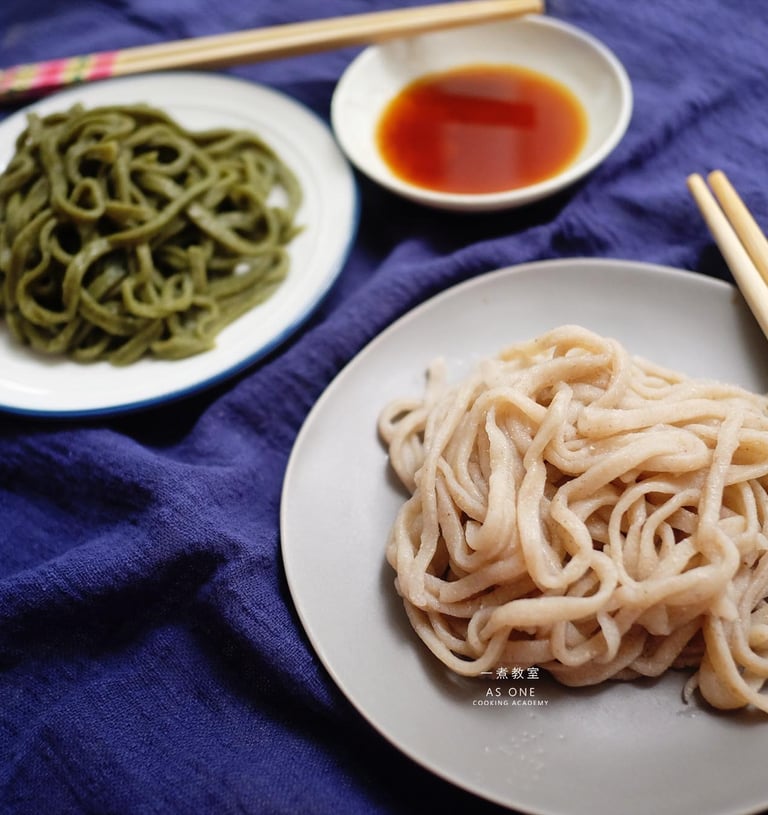
Gluten-free Soba Noodles
LEARN GLUTEN-FREE COOKING TODAY!
Start exploring our courses...
Contact us: freefromfoodsia@gmail.com
All Rights Reserved © 2026 Freefrom Foods International Association