

Basics About Wheat
Wheat, along with corn and rice, is one of the world’s most important cereal species. Let’s learn about the wheat family and how wheat is consumed around the world today. You will also gain clarity about what is “wheat-free” and “gluten-free”.
THE WHEAT FAMILY
Wheat can be classified into two main groups: ancient types and modern wheat.
ANCIENT WHEAT
There are several wheat types that comes from the nature.
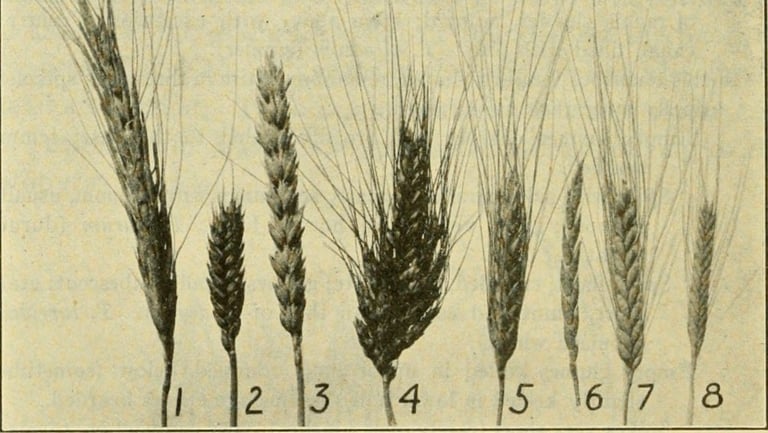
An illustration shows spikes of different types of wheat: (1) Polish wheat (3) Common bread wheat (5) Durum wheat (6) Spelt (7) Emmer (8) Einkorn. The Library of Congress/Flickr The Commons
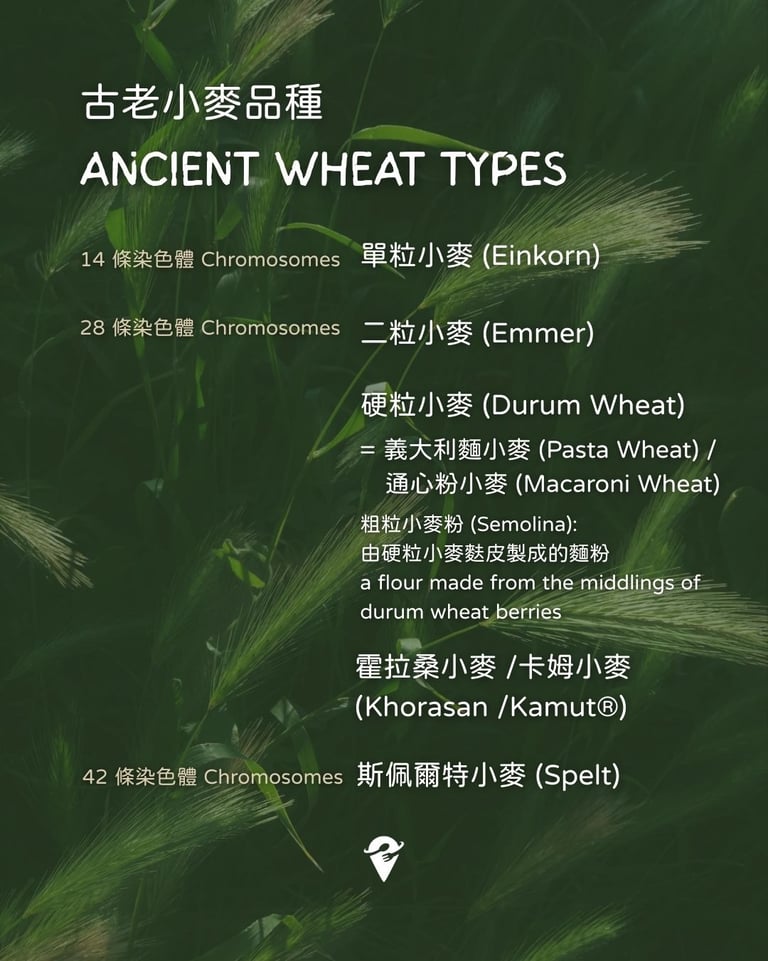
Einkorn (Triticum monococcum), a diploid, contains 14 chromosomes (genome AA), is the only wheat type that is not hybridized and has the simplest genetic composition.
Emmer (Triticum dicoccum) and Durum wheat (Triticum turgidum) are tetraploids, contains 28 chromosomes (genome AABB). They originated from a natural hybridization between wild einkorn wheat and goatgrass.
Durum wheat is also known as “Pasta Wheat” or “Macaroni Wheat”.
Semolina is a flour made from the middlings of durum wheat berries.
Khorasan (Kamut® is a trademarked version of khorasan) is believed to be a hybrid of durum and Polish wheat (Triticum polonicum).
(Breadtopia.com: Kamut, Khorasan, and Durum Wheats Comparison)
Spelt (Triticum spelta) is a hexaploid, contains 42 chromosomes (genome AABBDD). Spelt is likely originated from a natural hybridization between emmer wheat and goatgrass (Aegilops tauschii). Spelt existed before the appearance of the common bread wheat (Triticum aestivum).
(click image to enlarge)
FARRO
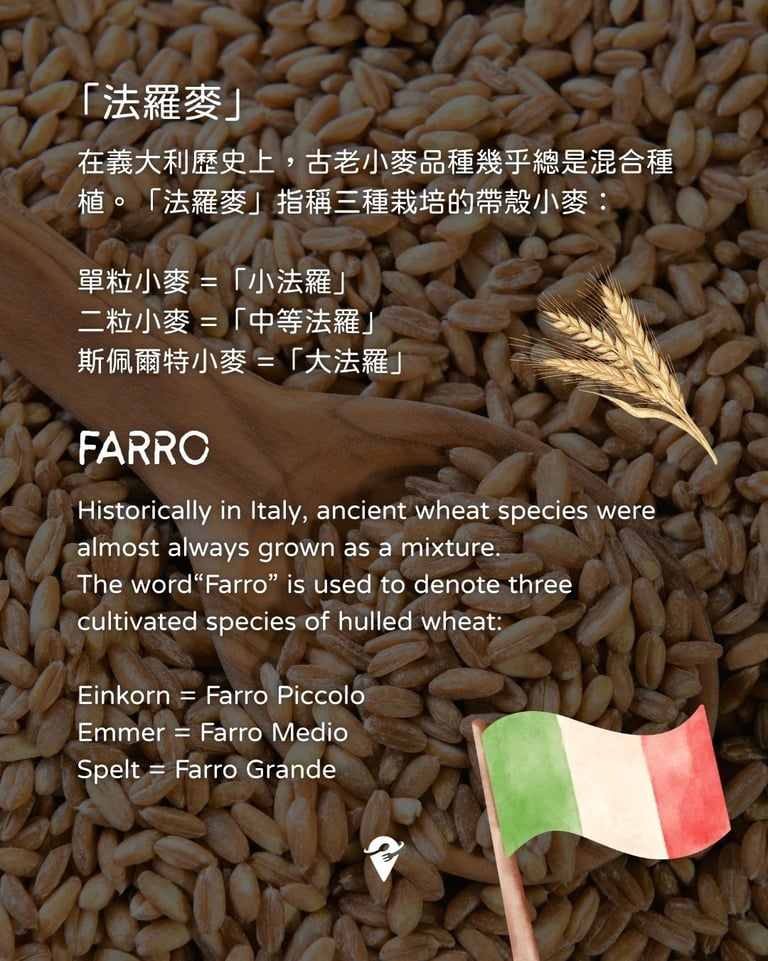
“Farro” originated in the Italian peninsula. The word is used to denote three cultivated species of hulled wheat: Einkorn, Emmer, Spelt. Each of them is a component of true farro.
Historically in Italy, these species were almost always grown as a mixture, sometimes two species, sometimes all three. The farmers knew they were growing a mixture, and all the benefits of doing that, and they called the mixture farro.
Due to marketing reasons, einkorn is also called Farro Piccolo (“little farro”), emmer as Farro Medio (“medium farro”) and spelt as Farro Grande (“large farro”).
(Jeremy Cherfas: The truth about farro)(Resurgent Grains: What's Farro?)
(click image to enlarge)
MODERN WHEAT
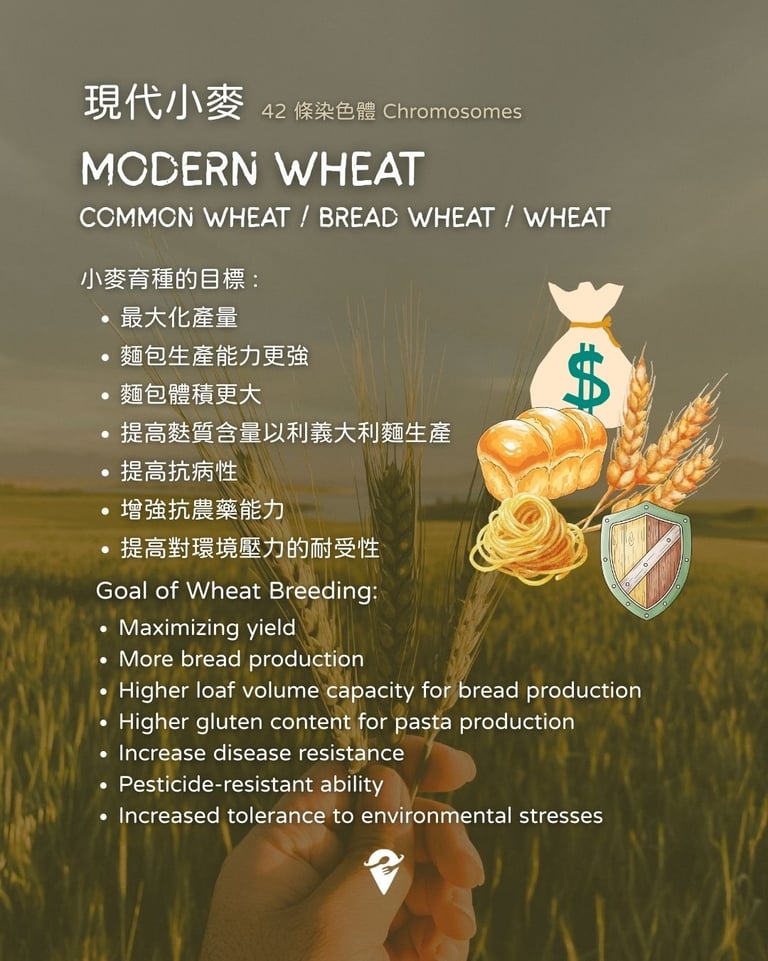
The most common type of wheat today is the Modern Wheat, also known as the Common Wheat, Bread Wheat, or simply refer as Wheat.
Modern Wheat (Triticum aestivum) is a hexaploid and has one of the most complex genomes known to science, total 42 chromosomes (genome AABBDD).
Although modern wheat shares the same name as the bread wheat that hybridized from the nature between emmer and wild goatgrass, the genome structure of the ancient hexaploid wheat is still different from the modern hexaploid wheat.
Modern Wheat has been genetically manipulated and mutated since the industrial revolution to create higher yield, more bread production, higher loaf volume capacity for bread production, high gluten content for pasta production, pesticide-resistant ability, increase disease resistance, increased tolerance to environmental stresses, etc.
Although both spelt and modern wheat are hexaploids, the structure and sequence of wheat protein in them are very different.
Spelt's gluten proteins form a weaker, more fragile network, making them more water-soluble and easier for the body to break down compared to the stronger gluten in modern wheat (source).
Modern Wheat is the cheapest among all wheat types, while ancient wheat types are generally more expensive because they have lesser yield and so cost is higher.
So unless any products specified the use of ancient wheat, you can simply assume all wheat products are made with the Modern Wheat.
(click image to enlarge)
GLOBAL WHEAT CONSUMPTION
According to the Food and Agriculture Organization (FAO), the global wheat production was 787 million tonnes in 2024. (source)
The International Grains Council (IGC) has raised its forecast for world wheat production in 2025/26 to 811 million tonnes. (source)
The top 5 countries that consume the most wheat are China, India, United States, Pakistan and Russia. (source 1)(source 2)
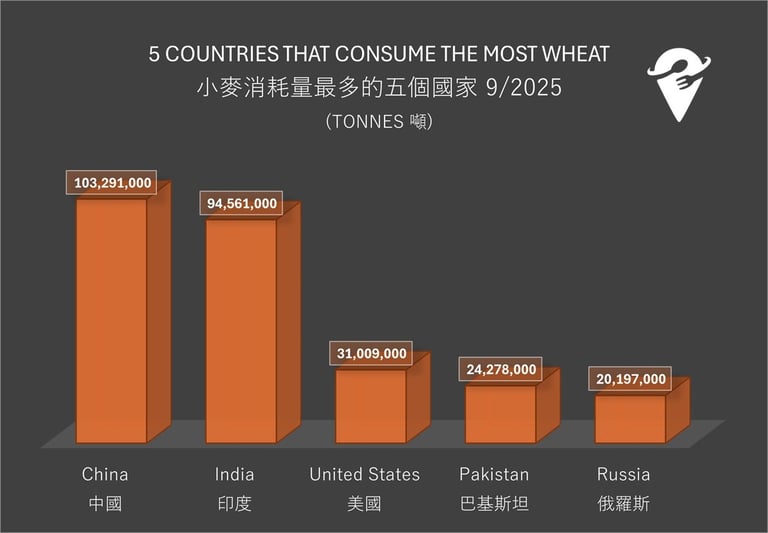
Chart of the Top 5 Countries that Consume the Most Wheat 9/2025.
To most Chinese, the impression of wheat consumption is mainly centred around the western diet for bread, pasta and pastries.
Surprisingly, the European Union (EU) which includes countries like France, Germany, Italy, collectively consumes wheat in amount still less than China.
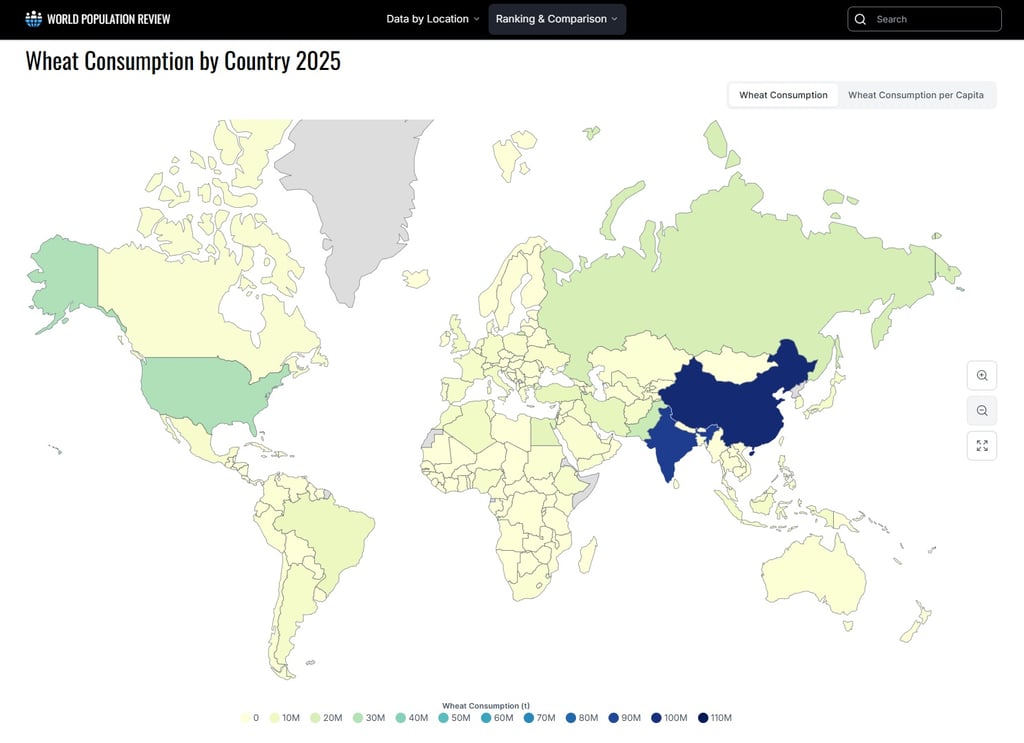
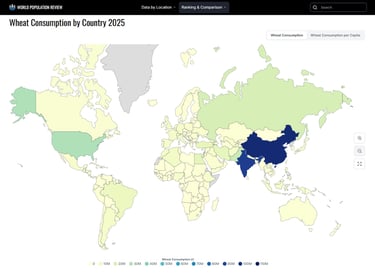
Wheat Consumption by Country 2025. (2025-09-29). World Population Review. https://worldpopulationreview.com/country-rankings/wheat-consumption-by-country
WHEAT IN OUR FOOD
Wheat is a staple in China, especially in Northern China. Wheat is used in noodles, steamed buns, bread and other daily meals.
TRADITIONAL CHINESE FOOD
Lots of traditional Chinese food are made with wheat. Examples include Mantou, Baozi (steamed buns), noodles, Seitan or Kao Fu (wheat gluten for meatless cuisines), Ma lai go (steamed cake), Chinese flatbreads, pancakes, flaky scallion pancakes, Jiao Zi /dumplings, Chinese pastries.
COMMON FOODS
Apart from traditional foods, wheat is widely used in the common foods as we embrace a more westernized lifestyle.
Examples include bread, buns, cookies, biscuits, cakes, tarts, desserts, pizza, waffle, pancakes.
OTHER FOOD PRODUCTS
Wheat is also used in other food products. Wheat is added as thickener or to improve the consistency.
Examples include soy sauce, oyster sauce, meatballs, cream soup and gravies.
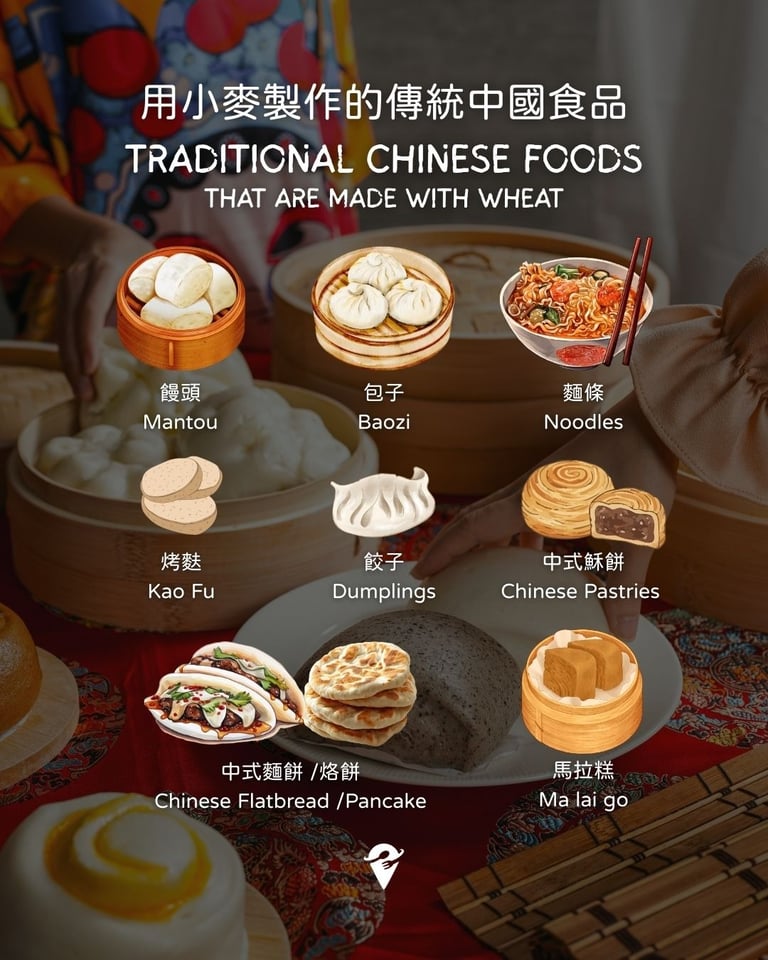
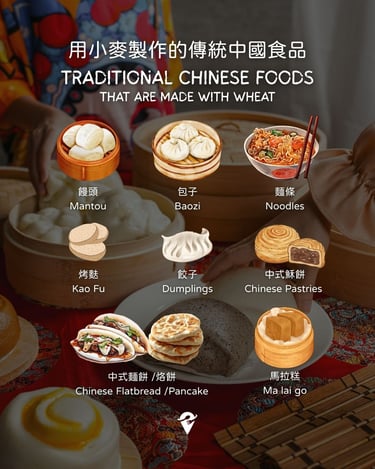
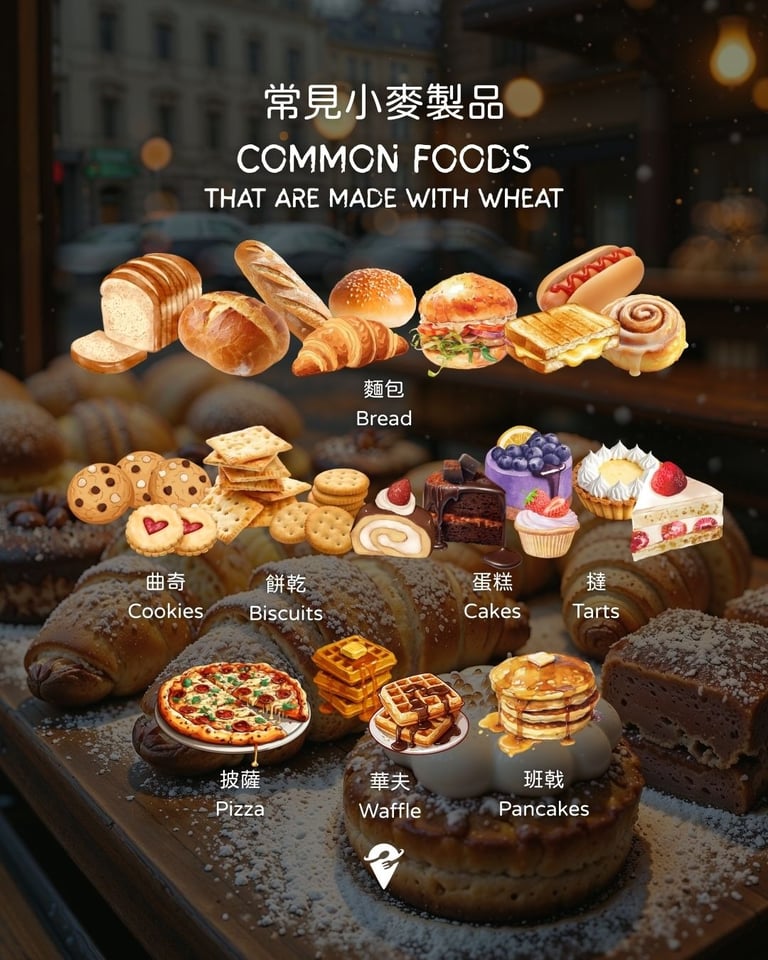
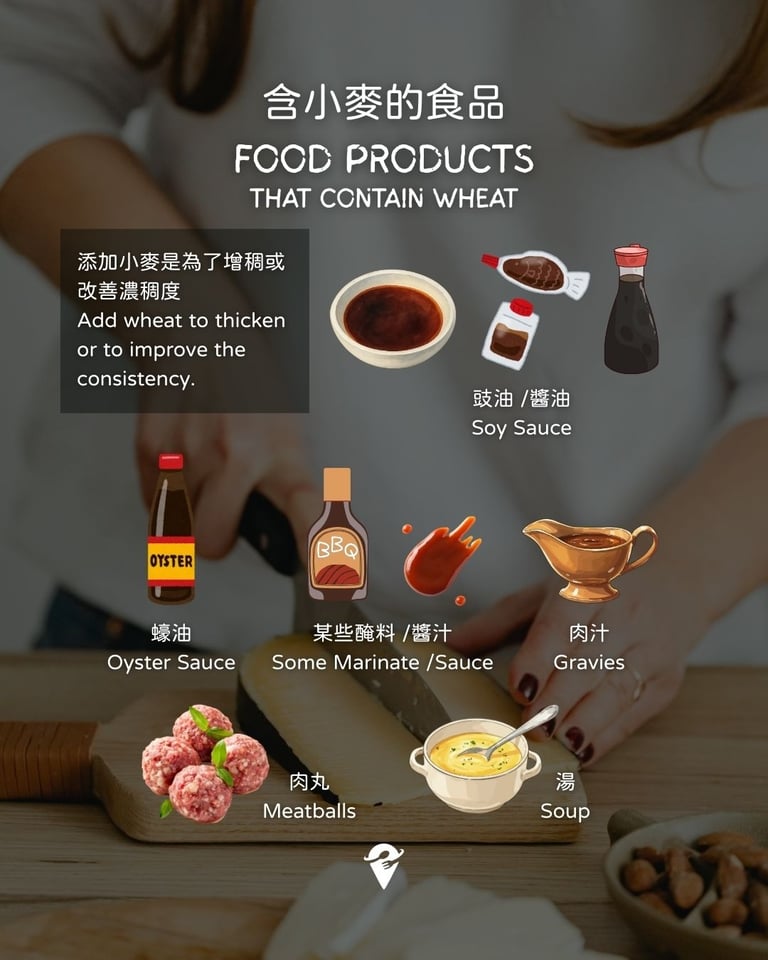
(click image to enlarge)
WHEAT RELATIVES
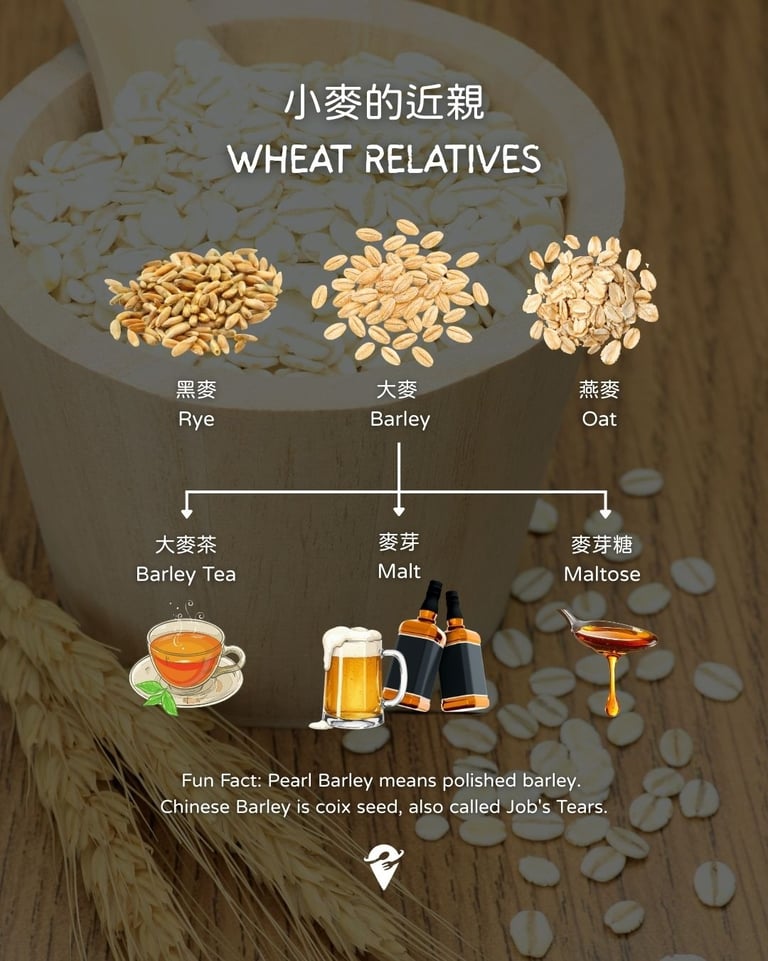
Rye, barley and oats are relatives to wheat but not the same plant. They belong to the same plant tribe within the grass family (Poaceae) and share common ancestry.
Globally, 70% of barley production is used as animal feed, while 30% is used as a source of fermentable material for beer, or further distilled into whisky, or other foods.
The process of barley grains being processed through controlled germination to produce malt is called “Malting Barley”. Malt is primarily used in beer and whisky. Barley malt extract is also used to enhance flavours in foods like breakfast cereals and chocolates. (source 1)(source 2)
Malt can be used as medicine and is a commonly used Traditional Chinese Medicine (TCM). In TCM, maltose is used to tonify the spleen and stomach, improve digestion and boost Qi (energy).
Barley (大麥) tea is also a traditional Chinese herbal tea. In TCM, Barley is known for promoting better digestion and improving blood flow ability.
Pearl Barley (洋薏米 /裸麥 /珍珠麥) means polished barley.
Note that Barley (大麥) is different from Chinese Barley (Job's Tears) (生薏米 /薏仁) which is coix seed. Coix seed tea is known for resolving dampness, water accumulations, and eliminating toxins.
(click image to enlarge)
Can’t live without wheat? Big lie!
For people who have celiac disease and wheat allergy, they need to avoid wheat products from their diet. As more people have become health conscious, many healthy individuals also start considering going wheat-free for better health.
Modern wheats produce higher inflammatory response in both patients and healthy individuals as compared to ancient and heritage wheats. Many people who don’t have celiac disease or wheat allergy shared on social media, that when they avoid modern wheats or consume only ancient wheat grains, their body get better.
However, there is a great hurdle for people to eat for better health and modern wheat seems to become something that people can’t live without.
Going wheat-free sounds like a nightmare – a misperception that going wheat-free means there is nothing to eat. This is a lie.
Here is the good news: there are still a lot of healthy and delicious foods that are not made with wheat and have nothing to do with wheat!
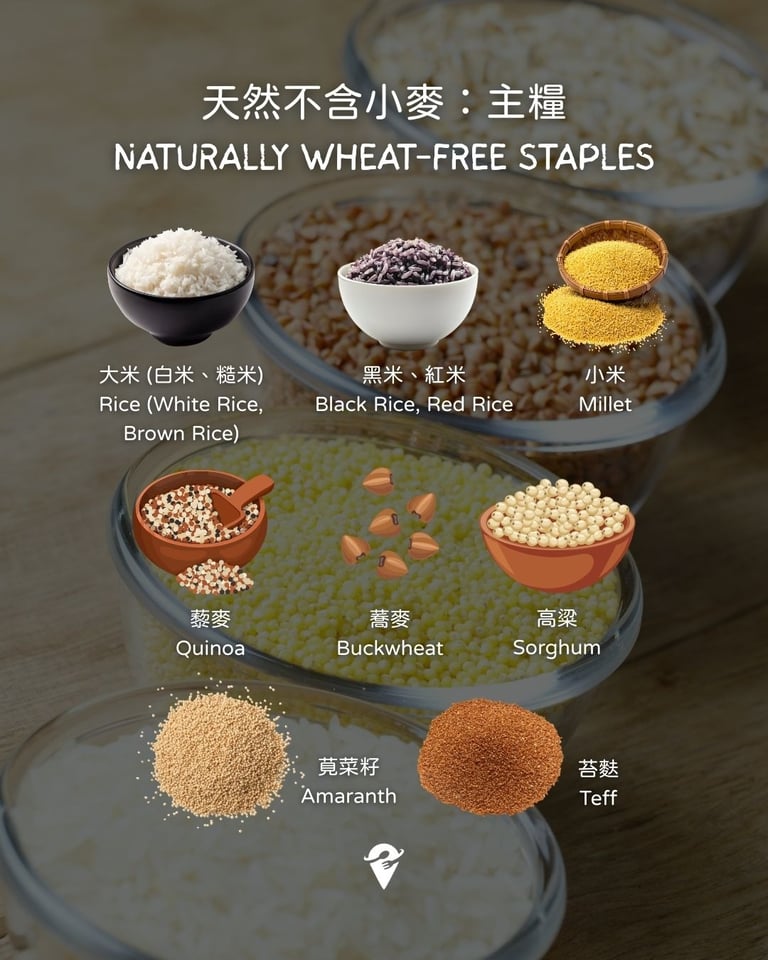
They are naturally, wheat-free:
Staple grains: Rice (white rice, brown rice), black rice, red rice, millet, quinoa, buckwheat, sorghum, amaranth seeds, teff;
Legumes: Lentils, peas, broad beans, chickpeas, soybeans, various beans;
All meats and seafood (unless processed or cured);
Eggs, cheese, cream;
All fruits and vegetables.
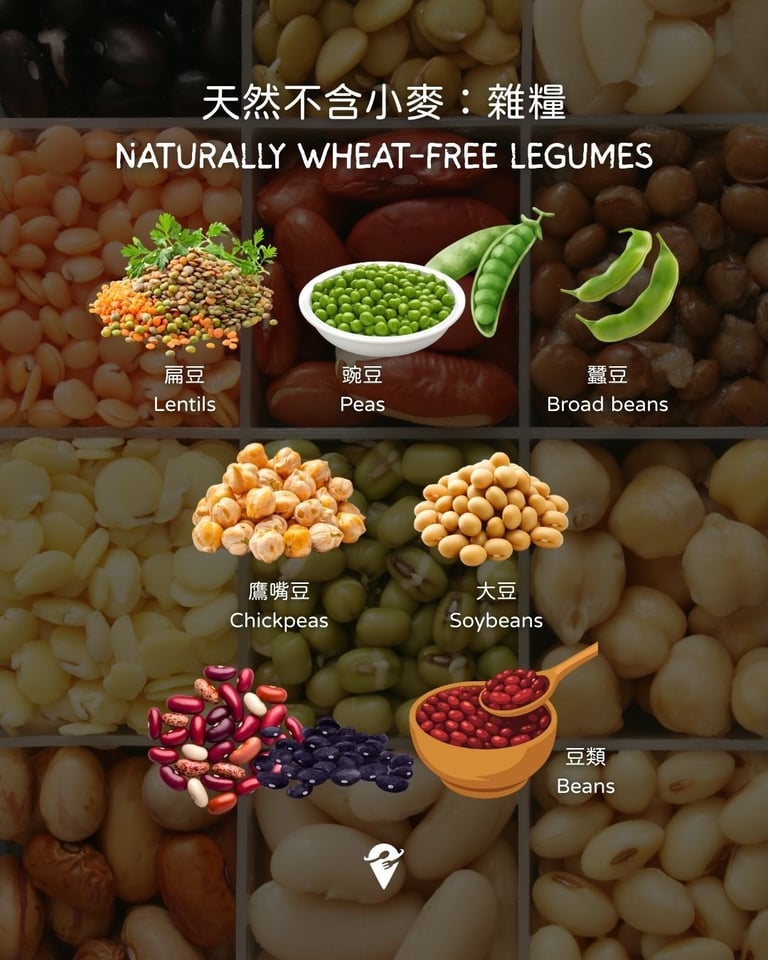
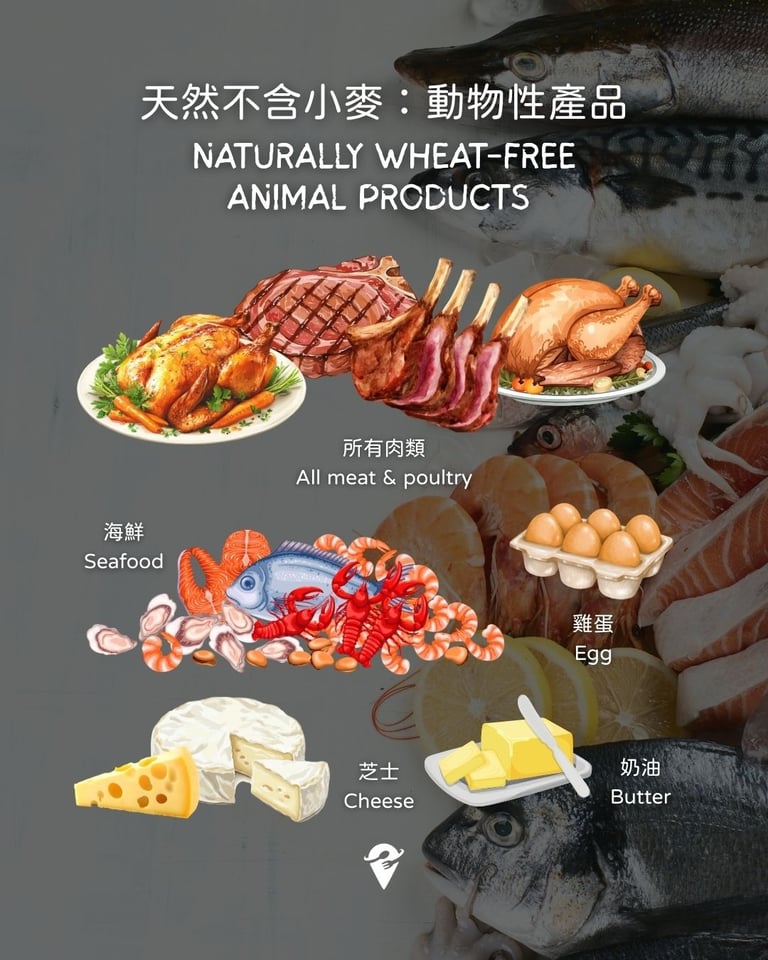
(click image to enlarge)
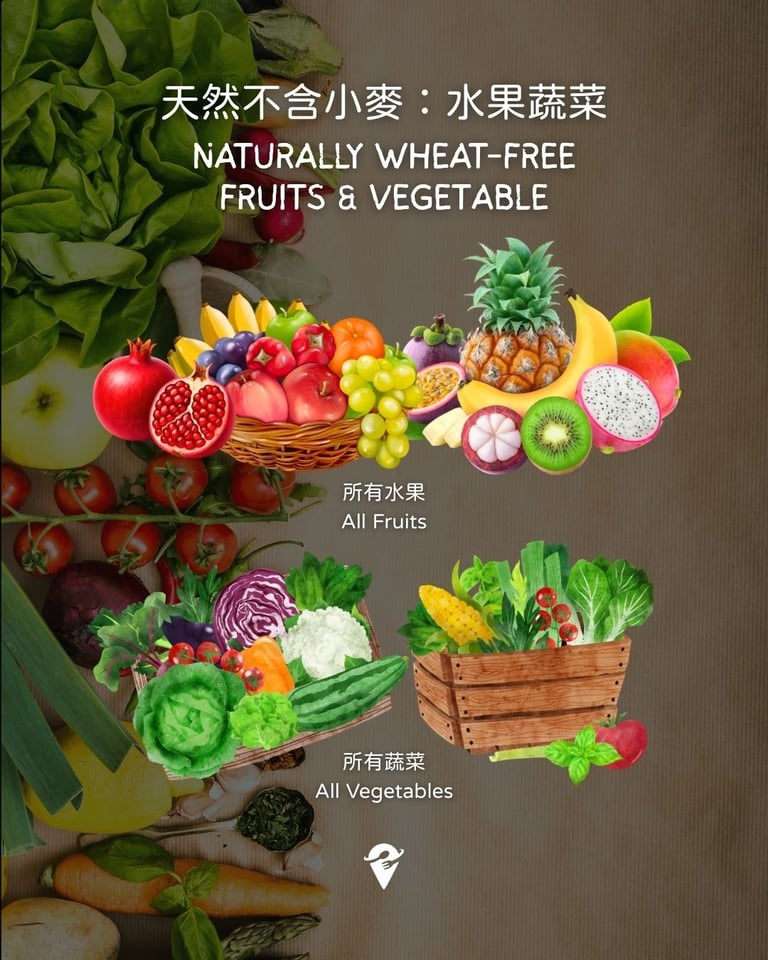
You still got a lot of choices if you want to avoid modern wheat for better health!
Going wheat-free means consuming more whole grains and whole foods, other than processed wheat-based products.
Approach diet change as a form of self-care and self-love, instead of avoiding foods based on fear. Change because there is a better way.
GLUTEN-FREE
“Gluten” is a collective term for the proteins of wheat, rye, barley, oats or their crossbred varieties and derivatives, according to EU regulations. So, “Gluten-free” products refer to those that do not contain the proteins of wheat, rye, barley and their derivatives.
(Read more: Gluten-free International Standards)
We need to be aware that not all gluten-free products are healthy.
Most of the products in the gluten-free market are originally designed for those with celiac disease and wheat allergy. They target in making the product safe for these people to consume with little consideration on the nutrition and health aspects. A lot of manufacturers add additives in production to make the end products to look alike with wheat products. So, to shop wisely, we need to learn how to read food labels.
Here is the good news: the gluten-free industry has also been improving on products to make them healthier to serve all walks of people.
Gluten-free diet is different from gluten-free food. A gluten-free diet could mean to increase the consumption of nutritious whole grains such as millet and quinoa, to replace wheat. Meat, seafood, fruits and vegetables are still included in a gluten-free diet. Following a gluten-free diet can still be very healthy, as it also means you might be consuming more whole grains and whole foods, other than processed wheat-based products, like the examples above. However, if you go on a wheat-free diet and totally rely on gluten-free processed food that are full of additives, this might not be healthy.
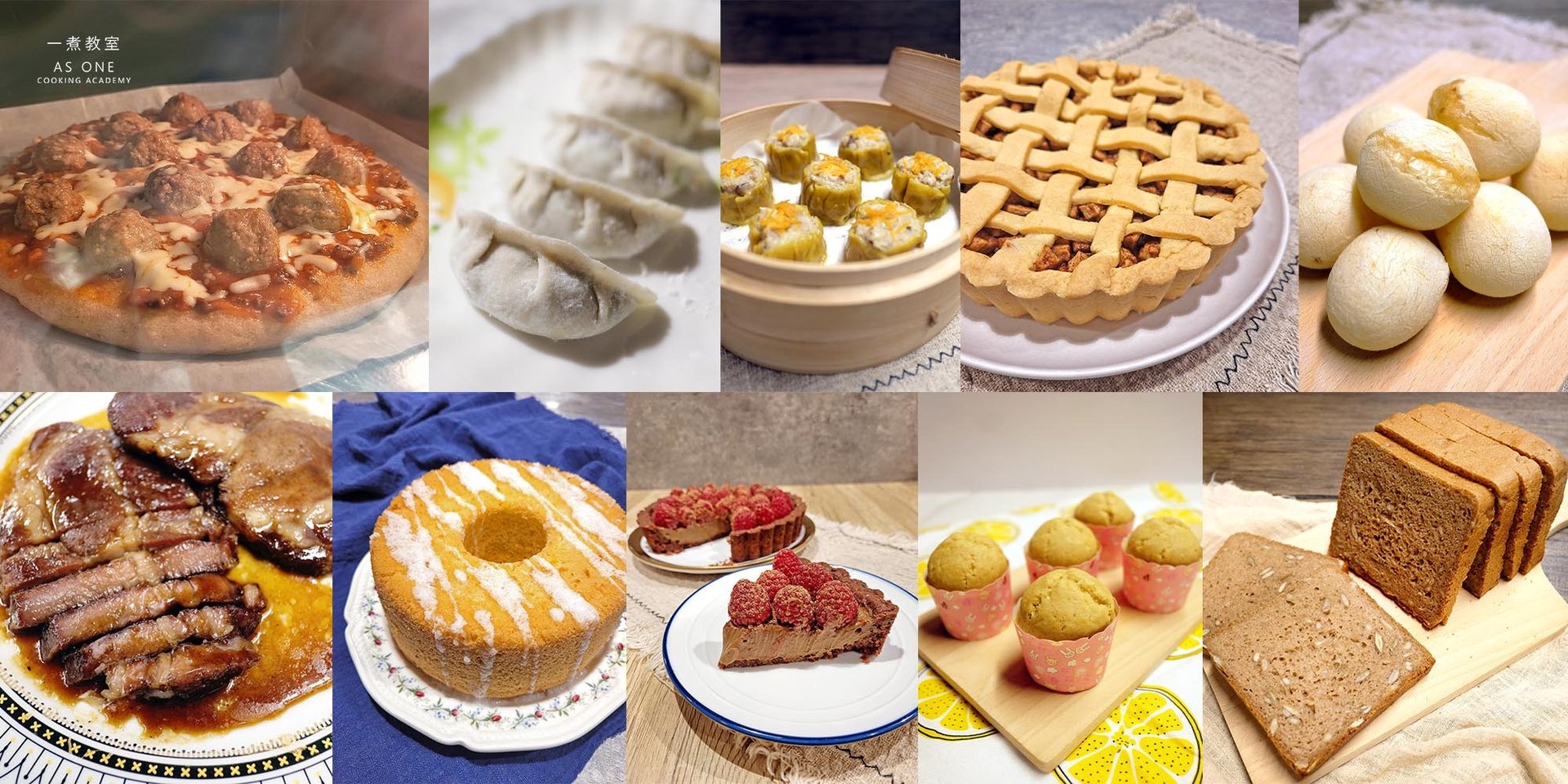
This is why at As One Cooking Academy, we try our best to design gluten-free recipes with nutrition and health considerations. We try to incorporate as much nutritious wholesome ingredients as possible while making the product tasty.
Come and learn to make your own food from our online school!
Online Class:
Gluten-free Foundational Course (20 Recipes)
Online Class:
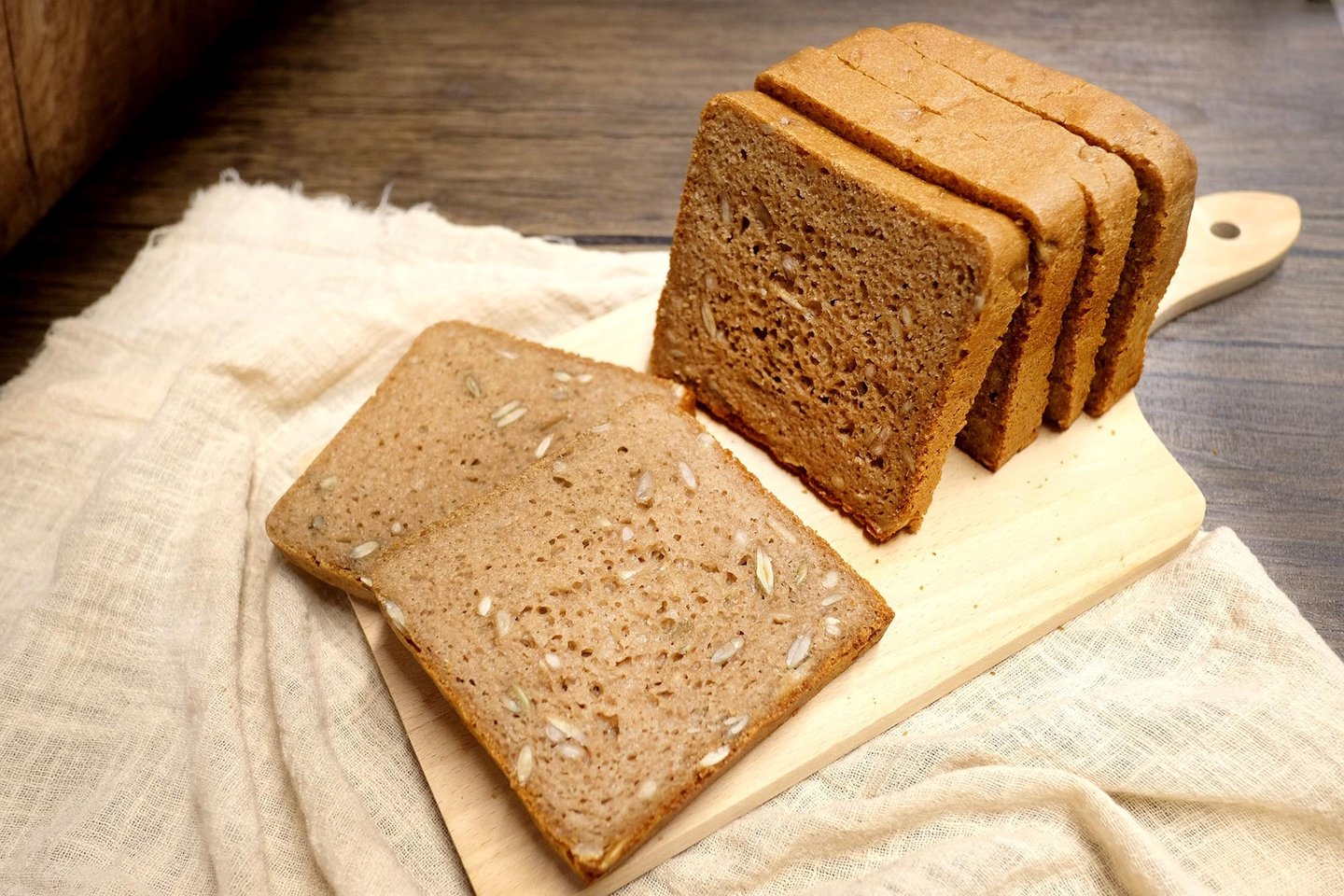
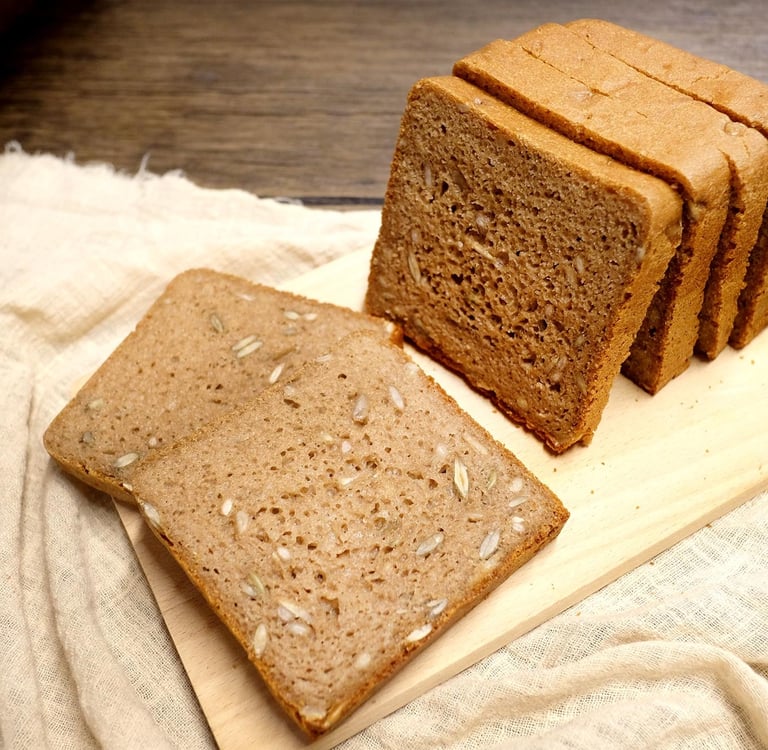
Gluten-free Basic Toast
Online Class:
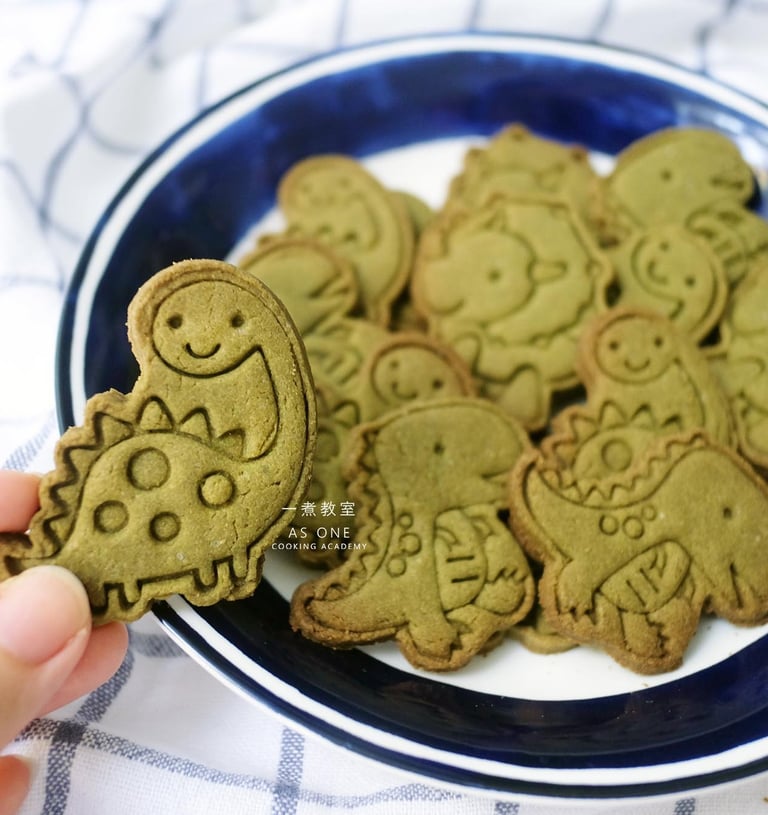
Gluten-free Matcha Cookies
LEARN GLUTEN-FREE COOKING TODAY!
Start exploring our courses...
Contact us: freefromfoodsia@gmail.com
All Rights Reserved © 2026 Freefrom Foods International Association